This report was the research thesis at School of Architecture of the University of Patras, mentored by Alcestis Rodi and presented in 2019.
Abstract
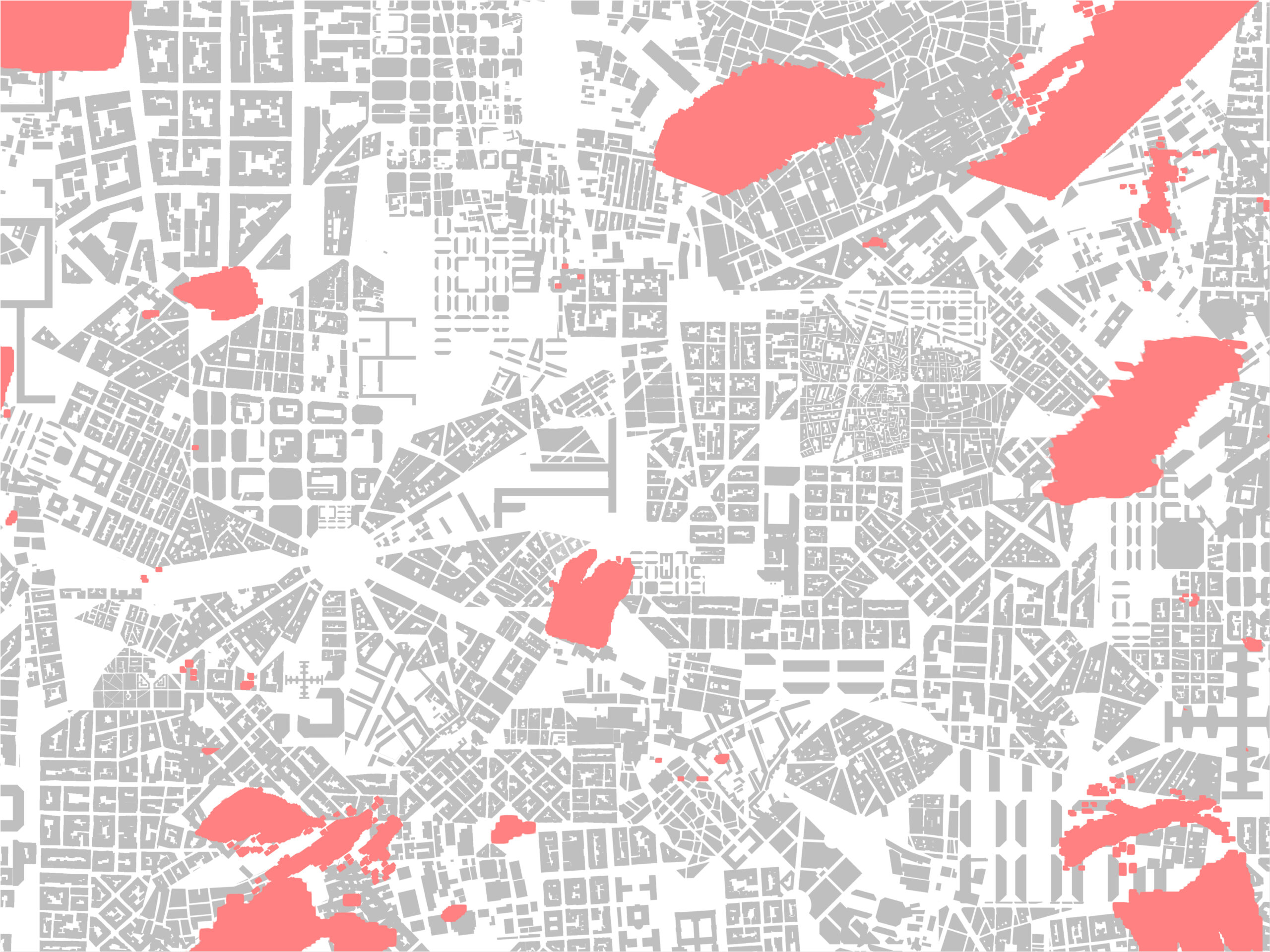
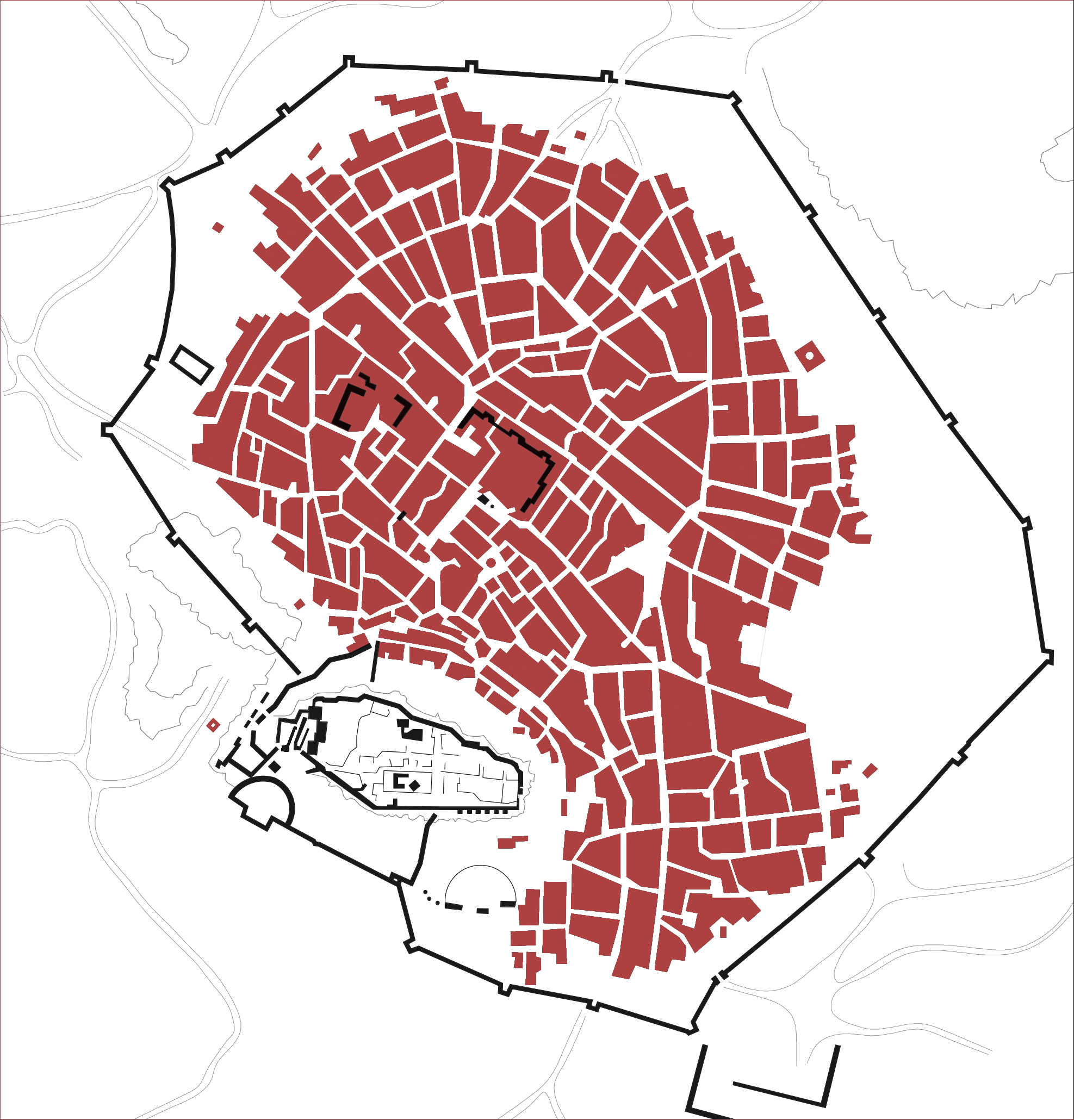
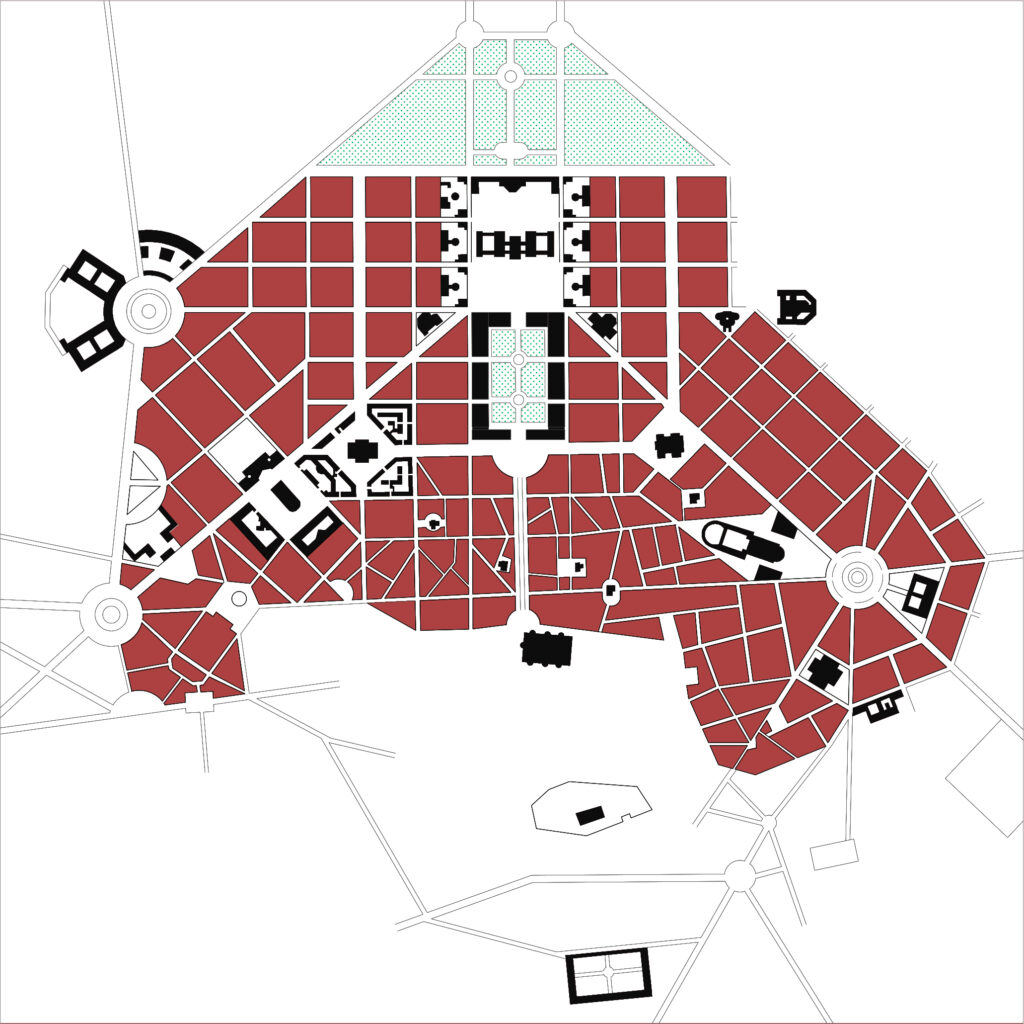
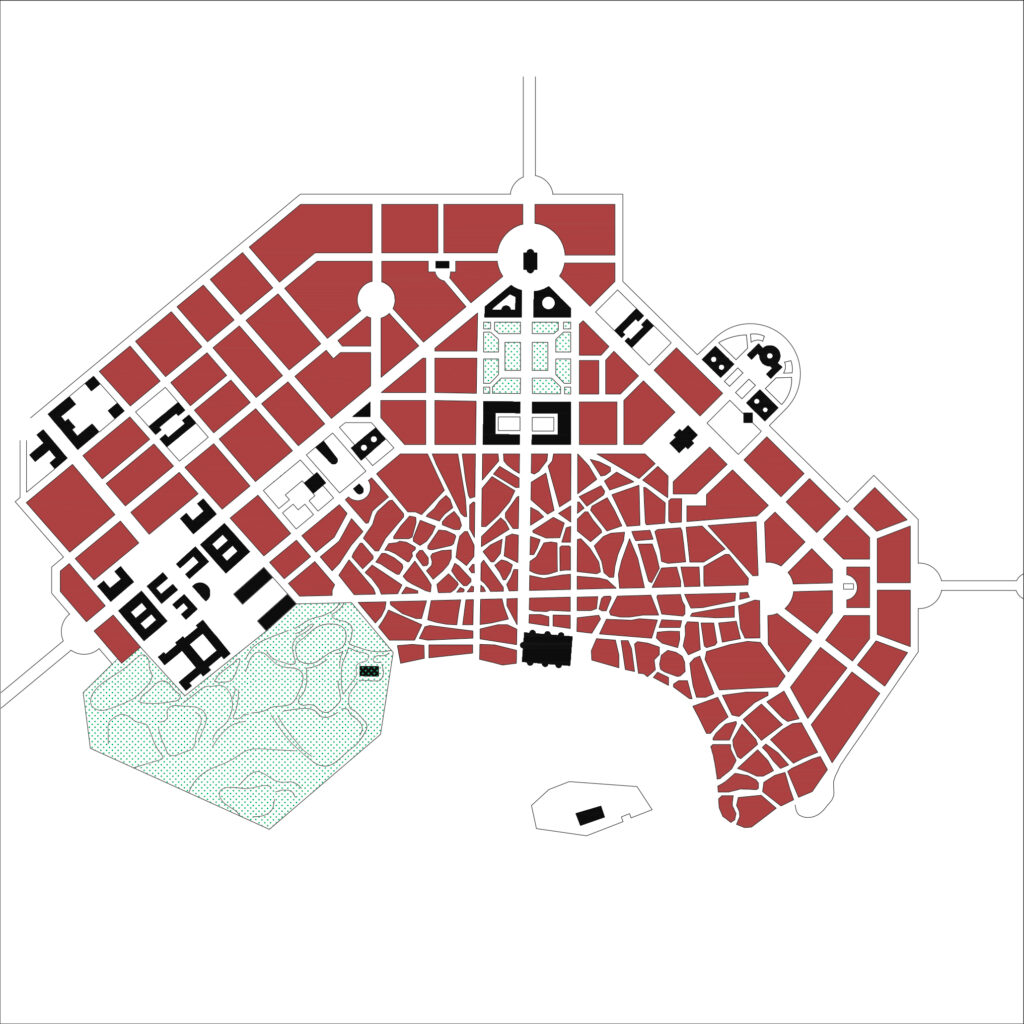
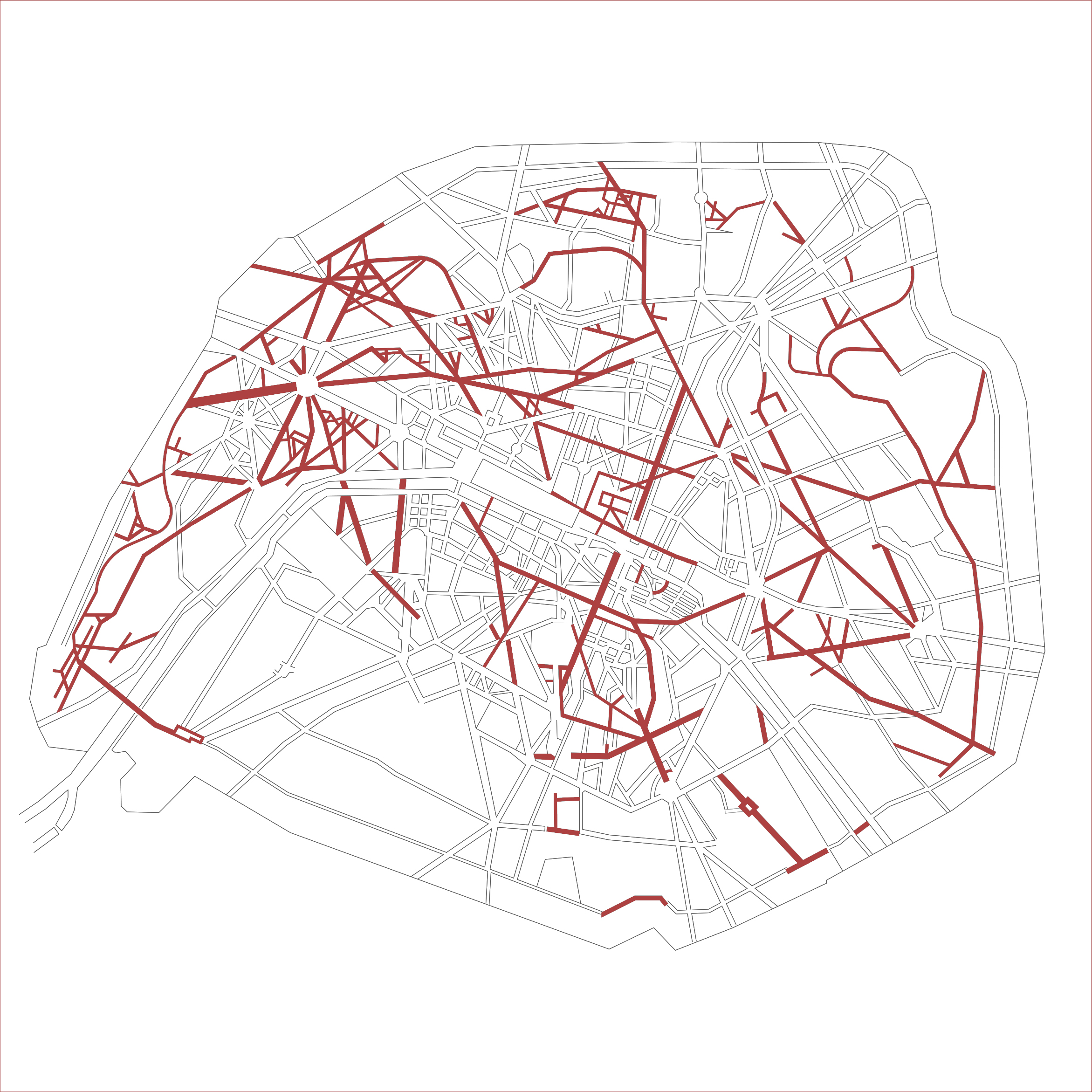
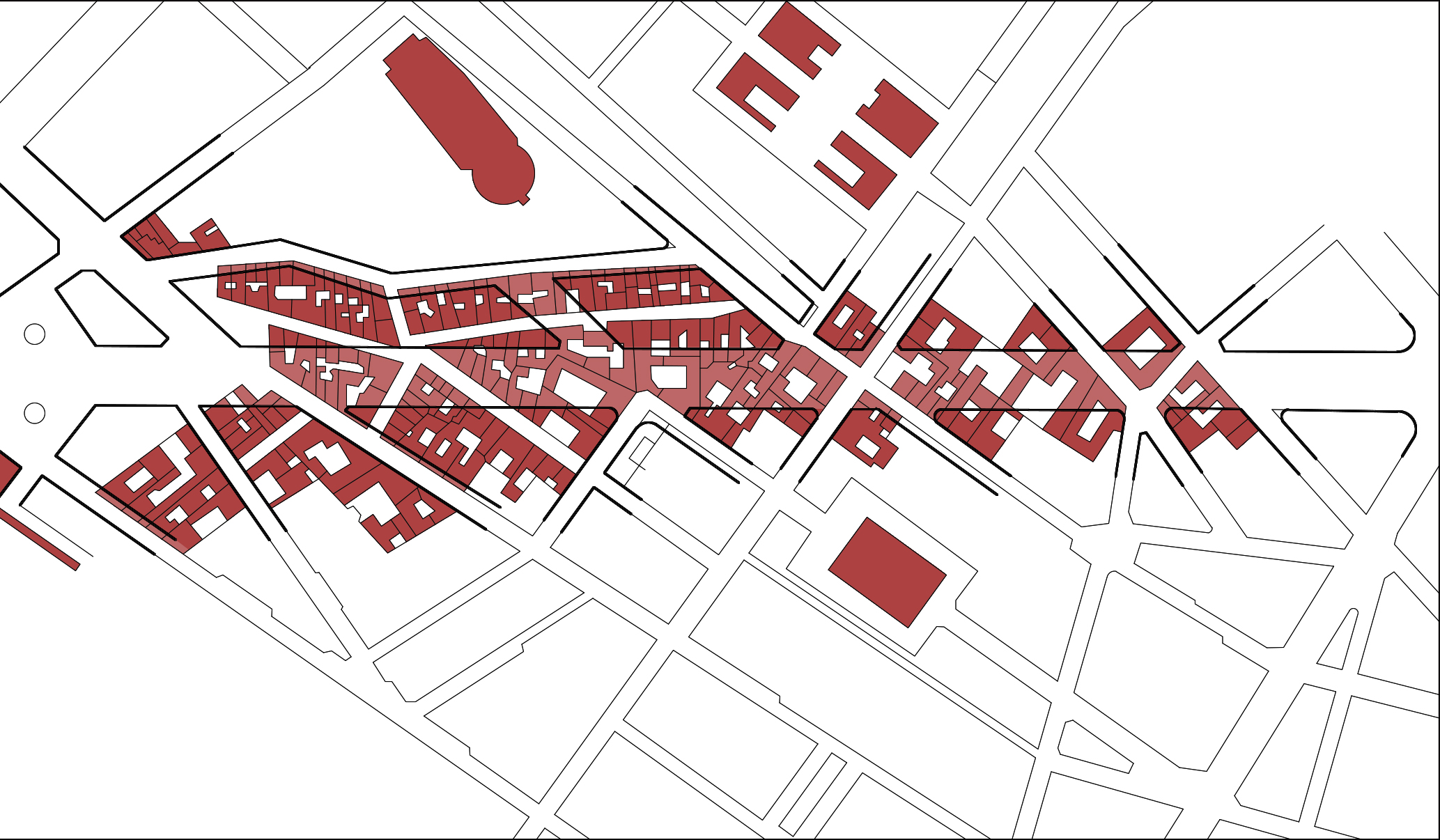
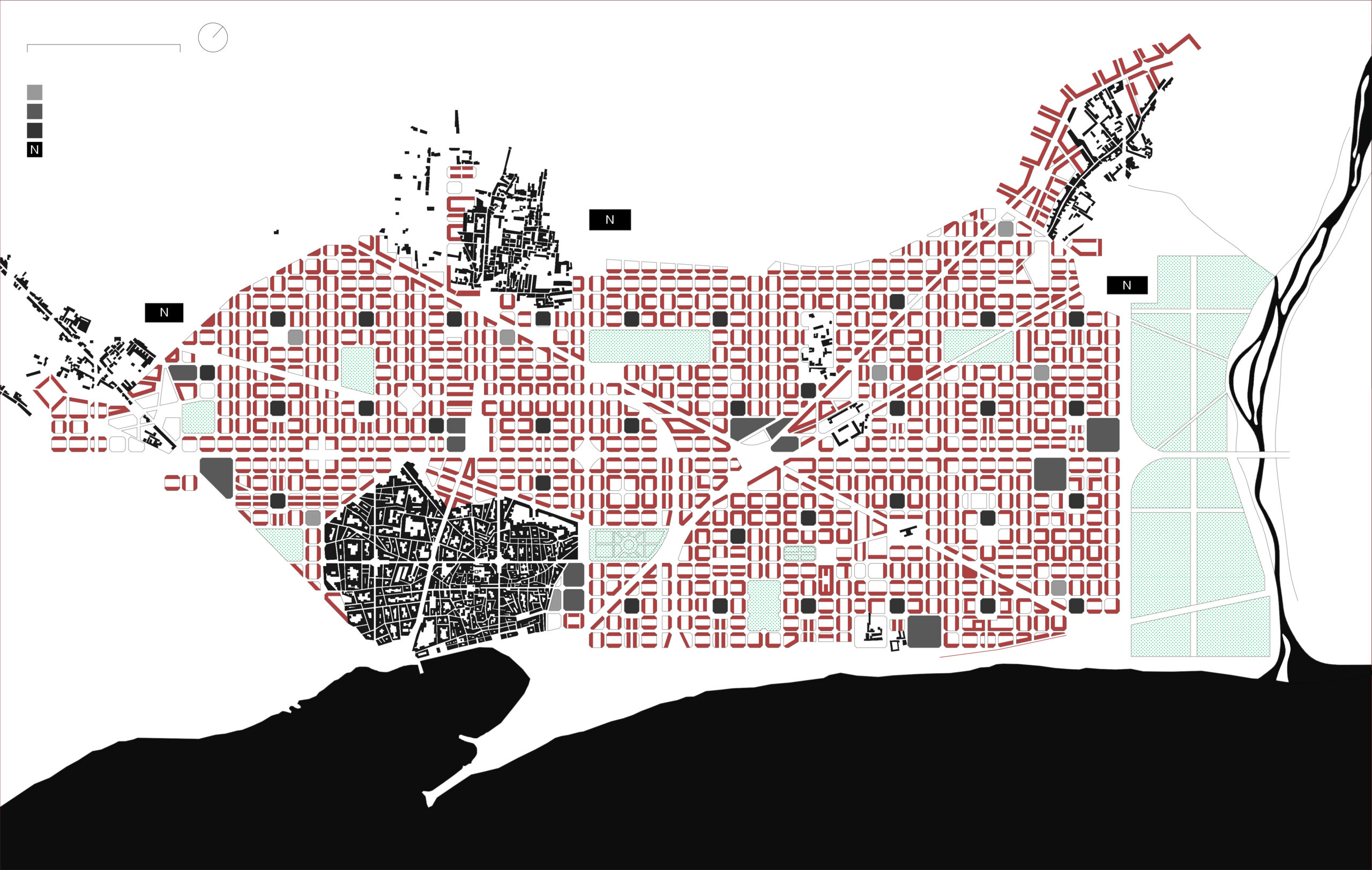
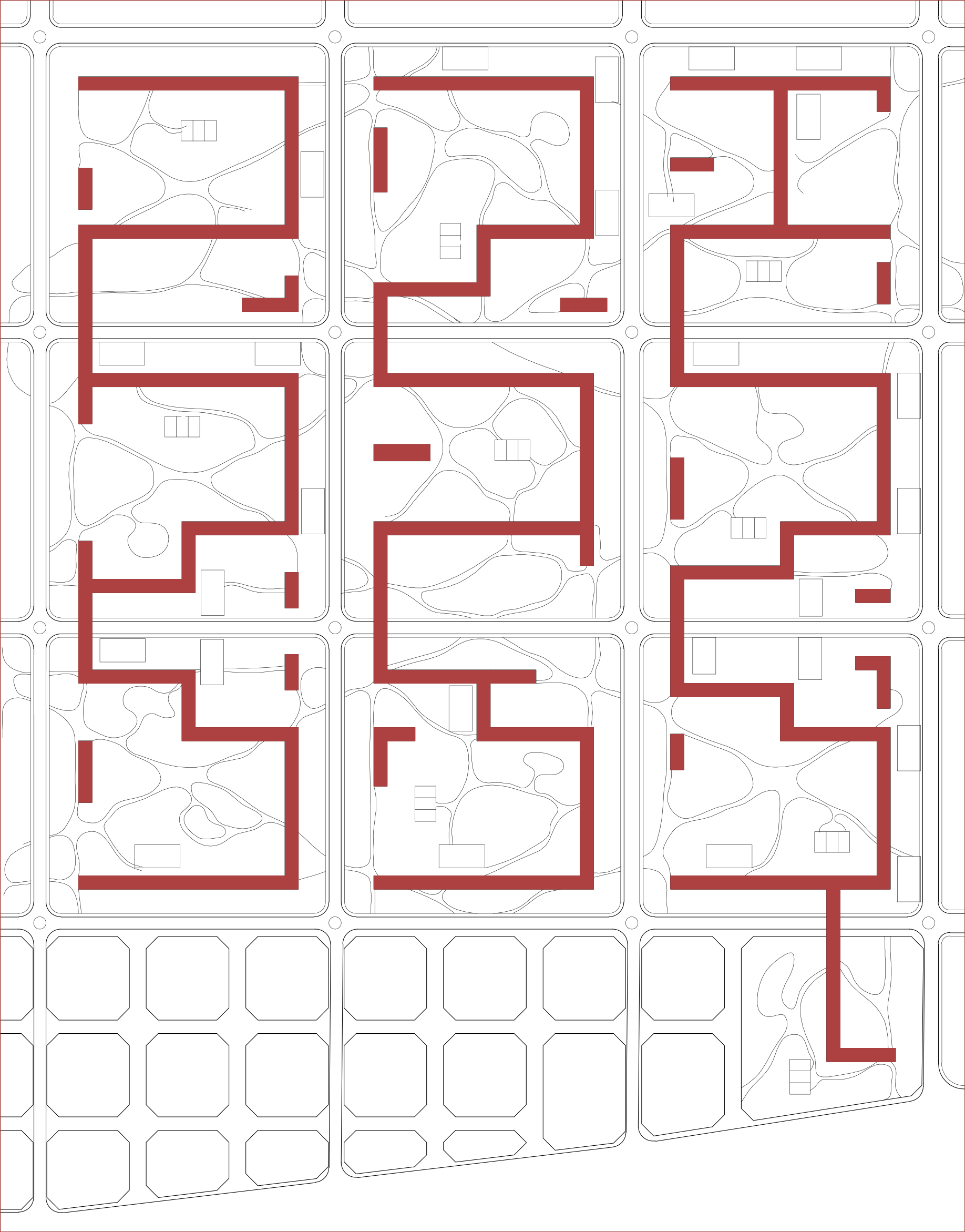
The present paper will attempt to correlate the many design scales, in the urban environment, with the emergence of resilience – a term that is common in contemporary literature. This will be conducted through the study of the evolution of three cities, Athens, Barcelona and Paris, from the 19th century up till the present day. In the neoclassical period, the foundations that were laid for urban development will be examined, through the redefinition of the urban fabric of Paris with Haussmann, and the anew design of the city in Athens and Barcelona. In the early 20th century, with the emergence of the metropolitan scale, the influence of modern planning on the way cities are conceived and designed will be examined, through the work of Le Corbusier and GATCPAC, in Paris and Barcelona, and the various regulatory plans in Athens. Moreover, the efforts of organization will be explored, in view of the urban sprawl in the post-war era. Looking at the contemporary era, recent strategies will be investigated, mostly through various competitions and projects, that seek to reinforce existing perceptual scales or to form new ones. By correlating the evolutionary course of the cities, I will attempt to highlight the importance of a multi-scale perception of the city, in order for the development of a resilience urban fabric to be possible, especially in the case of Athens where it is lacking.